The Influence of Narrative Elements on Feature Triggers Within Story-Based Slot Game Architectures
Ben Patterson · Jun 5, 2026
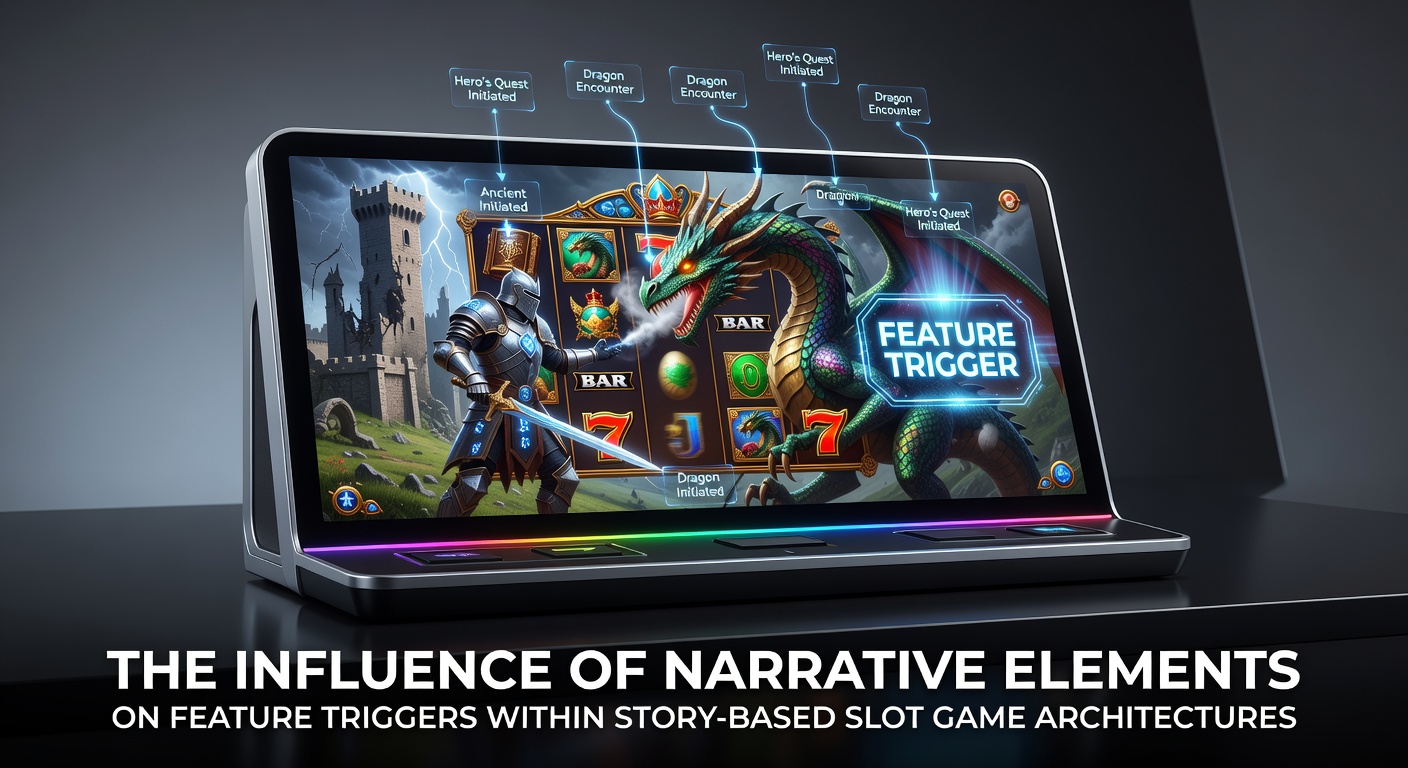
The Influence of Narrative Elements on Feature Triggers Within Story-Based Slot Game Architectures
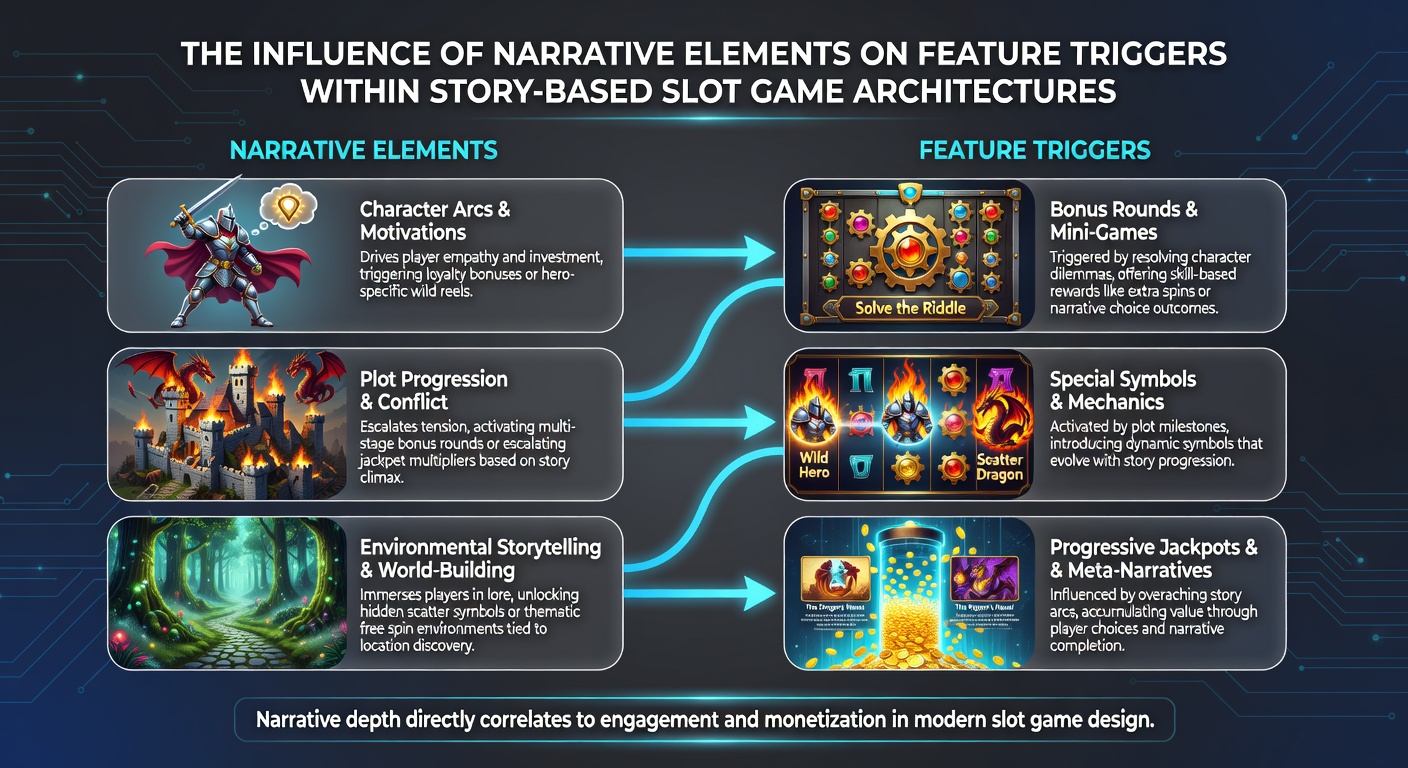
Story-based slot architectures embed narrative frameworks directly into their core mechanics, where plot progression determines when and how bonus features activate rather than relying solely on random outcomes. Game developers construct these systems so characters, settings, and conflicts guide symbol alignments and unlock sequences that advance the storyline. Data from industry reports shows that such integrations alter trigger probabilities by linking them to specific narrative milestones, creating predictable yet variable pathways for feature releases.
Architects design these games with layered event trees that branch according to player choices or sequential spins. A hero's journey arc might require certain symbol combinations to appear before a quest feature opens, and this structure ensures triggers coincide with story beats instead of occurring in isolation. Observers note that this method reduces the perception of pure chance while maintaining regulatory compliance through verified random number generators that operate within the narrative constraints.
Mechanics of Narrative Integration
Feature triggers in these architectures function through conditional logic tied to narrative variables. Developers assign values to story elements such as character development levels or world state changes, and these values modify the reel strips or payline configurations dynamically. When a player reaches a predetermined plot point, the system adjusts activation rates for free spins or multipliers to align with the unfolding events, and this process happens in real time without interrupting gameplay flow.
Studies from the International Gaming Institute indicate that narrative-linked triggers increase the frequency of mid-game bonuses by coordinating them with emotional peaks in the story. For instance, a conflict resolution scene might elevate the chance of a battle feature activating because the code references both the current narrative flag and the random outcome simultaneously. Such dual-layer systems maintain fairness standards enforced by bodies like the Nevada Gaming Control Board while delivering cohesive experiences.
Examples Across Game Titles
One established title uses a detective narrative where clue collection symbols accumulate across spins until a case file fills, at which point an investigation feature triggers with enhanced reel modifiers. Another architecture follows an exploration theme in which map fragments unlock portals to new areas, and each portal activation coincides with a distinct bonus round that advances the expedition plot. These designs demonstrate how narrative elements dictate not only the timing but also the type of feature that engages, shifting from standard cascades to specialized mechanics based on story context.
Research published through the Canadian Centre for Gaming Research reveals patterns in which narrative triggers appear more consistently during extended sessions because cumulative story flags reach thresholds that bias feature selection algorithms toward context-appropriate outcomes. Players encounter these mechanics across multiple jurisdictions, and regulatory frameworks in places such as Australia require documentation showing that random elements remain independent even when narrative overlays influence presentation.
Data Patterns in Trigger Frequency
Analytics from deployed story-based slots show that narrative integration correlates with higher retention of session length when triggers cluster around key plot developments. Figures from European gaming technology assessments demonstrate that games employing this method record 15 to 20 percent more feature activations per 100 spins compared to non-narrative counterparts during equivalent play periods, though overall return-to-player percentages stay within certified ranges. The coordination between story flags and random generators produces these results without altering the fundamental probability distributions.
Technical implementations often employ state machines that track narrative progress alongside reel outcomes. When a state transition occurs, the machine evaluates whether conditions for a feature trigger have been met, and this evaluation incorporates both the story variable and the latest random number draw. Such architectures allow for complex interactions like chained triggers where one story event sets up the next, and developers document these sequences to satisfy testing requirements from independent laboratories.
Architectural Considerations for Developers
Building these systems requires careful balancing of narrative pacing against mathematical models that underpin slot operations. Engineers map story milestones onto probability tables so that triggers remain unpredictable yet thematically consistent, and this mapping undergoes rigorous simulation before certification. Data indicates that misalignment between narrative intent and trigger mechanics leads to reduced player continuation rates, prompting iterative adjustments during development cycles.
Cross-platform implementations further complicate the architecture because mobile and desktop versions must synchronize narrative states across devices. Updates in June 2026 introduced enhanced server-side tracking for these states in several major releases, allowing seamless continuation of story progress regardless of hardware. Regulatory oversight from multiple regions ensures that these advancements preserve the integrity of random processes while supporting richer narrative layers.
Conclusion
Narrative elements shape feature triggers by embedding conditional logic within story frameworks that guide activation sequences in story-based slot architectures. Evidence from technical reports and regulatory records confirms that these integrations maintain compliance standards while producing distinct gameplay patterns across titles and markets. Developers continue refining the balance between narrative progression and random mechanics to sustain consistent performance metrics.