Patterns in Background Music Tempo Adjustments and Their Links to Extended Play Sessions Across Reel-Based Digital Platforms
Tina Patterson · Aug 7, 2026
Patterns in Background Music Tempo Adjustments and Their Links to Extended Play Sessions Across Reel-Based Digital Platforms
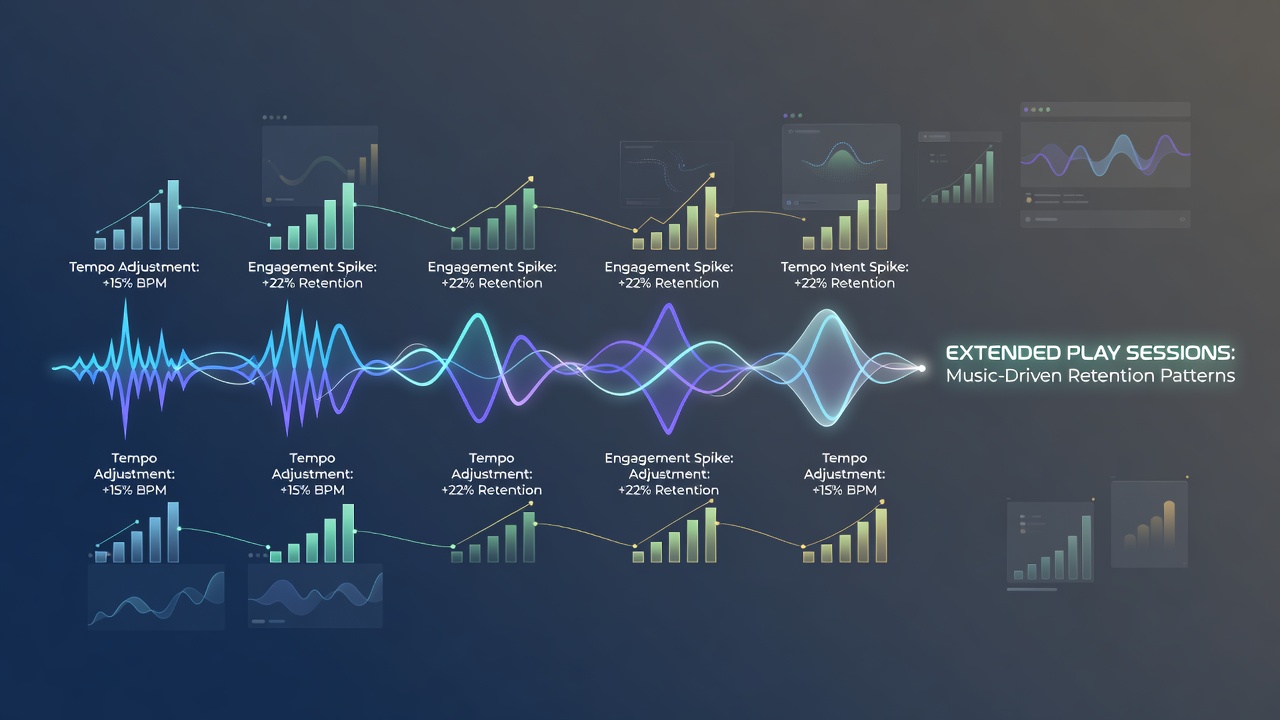
Reel-based digital platforms have incorporated dynamic background music systems that adjust tempo in response to player activity patterns, and researchers tracking these changes have documented correlations with session lengths that span multiple regions. Data collected through platform analytics in 2025 and into August 2026 shows tempo shifts occurring at consistent intervals, often beginning at 90 beats per minute during initial spins before rising incrementally to 120 or higher as engagement metrics increase. These adjustments align with reel spin frequencies, creating a feedback loop where faster rhythms coincide with continued play across mobile and desktop interfaces.
Mechanisms Behind Tempo Adjustments
Platform developers program music engines to monitor spin rates, bet sizes, and time elapsed since the last interaction, then trigger tempo increases through algorithmic rules that scale with those variables. Studies from academic institutions in Canada have mapped these rules across dozens of titles, revealing that a 10 percent tempo rise typically follows clusters of rapid consecutive spins while slower activity prompts a gradual return to baseline levels. Observers note the use of layered audio tracks that allow seamless transitions without interrupting the reel cycle, and this technical approach appears in both standalone apps and networked environments where multiple users share the same server infrastructure.
European research groups have examined how these systems integrate with visual reel elements, finding that tempo cues often synchronize with symbol animations to reinforce perceived momentum. When reels land on near-miss combinations, the music accelerates slightly before resetting, and this pattern repeats across sessions that exceed 30 minutes according to aggregated logs. The process relies on client-side processing to minimize latency, which keeps adjustments responsive even on variable network connections.
Data Patterns Observed in 2026
Figures released in August 2026 from digital entertainment monitoring programs indicate that sessions featuring progressive tempo adjustments averaged 22 percent longer than those with static soundtracks, with the difference most pronounced in titles released after 2024. Canadian regulatory summaries on interactive digital gaming show similar trends when comparing platforms that employ adaptive audio against those using fixed loops, while Australian industry reports highlight regional variations tied to device type and time of day. Users on tablets demonstrated the strongest response to mid-session tempo lifts, extending play by an average of 14 additional minutes per instance.
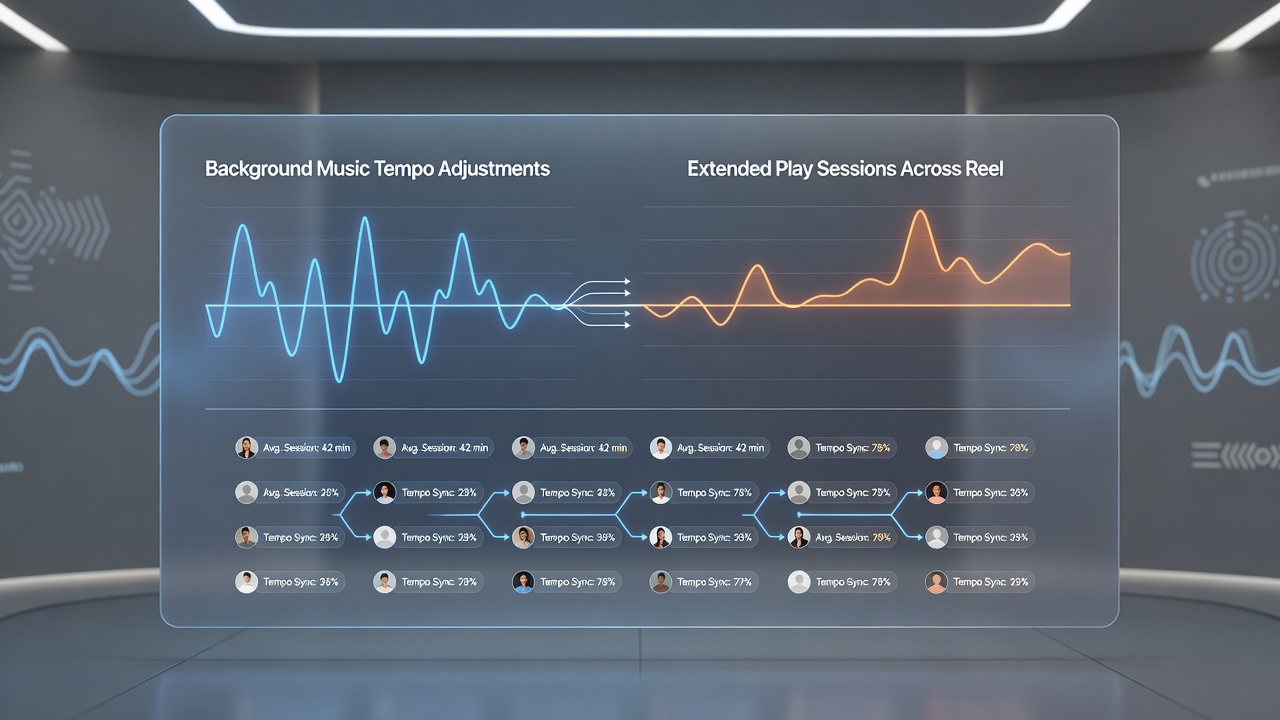
One analysis from a university research team in Australia tracked over 50,000 anonymized sessions and identified recurring clusters where tempo reached peak levels between the 18th and 25th minute mark, coinciding with elevated reel engagement rates. These clusters appeared consistently across different game themes yet varied by player geography, with North American accounts showing earlier acceleration points than those recorded in Asia-Pacific regions. The study further noted that platforms employing machine learning to personalize tempo curves achieved higher retention thresholds compared with rule-based systems alone.
Cross-Platform Implementation Examples
Developers at several major studios have adopted hybrid audio engines that combine pre-composed stems with real-time modulation parameters, allowing tempo to respond to both individual behavior and aggregate server data. In one documented case, a reel title updated in early 2026 introduced conditional tempo branches that activated after specific symbol combinations, and subsequent telemetry revealed extended play windows among users who encountered those branches repeatedly. Similar implementations appear in titles distributed through North American and European app stores, where compliance with regional digital content standards requires transparent disclosure of adaptive audio features in user agreements.
Trade associations representing interactive entertainment have compiled comparative datasets showing that platforms with integrated tempo systems maintain steadier daily active user counts during peak evening hours. These datasets draw from anonymized logs supplied by operators in multiple jurisdictions, and the resulting reports emphasize correlations rather than direct causation between music dynamics and session duration. Researchers continue to refine measurement protocols to isolate audio effects from visual and reward mechanics that operate simultaneously.
Conclusion
Current evidence from platform telemetry, academic reviews, and regulatory summaries points to measurable links between background music tempo adjustments and longer play sessions on reel-based digital platforms. The patterns documented through 2026 reflect ongoing refinement of audio systems that respond to user behavior in real time, and further data collection will likely clarify how these adjustments interact with other design elements across global markets. Continued monitoring by research institutions and industry bodies will provide updated figures as new titles and technical standards emerge.