Linkages Between Device-Specific Interface Tweaks and Bonus Trigger Frequencies in Hybrid Reel and Table Applications
Zoe Jenkins · Aug 21, 2026
Linkages Between Device-Specific Interface Tweaks and Bonus Trigger Frequencies in Hybrid Reel and Table Applications
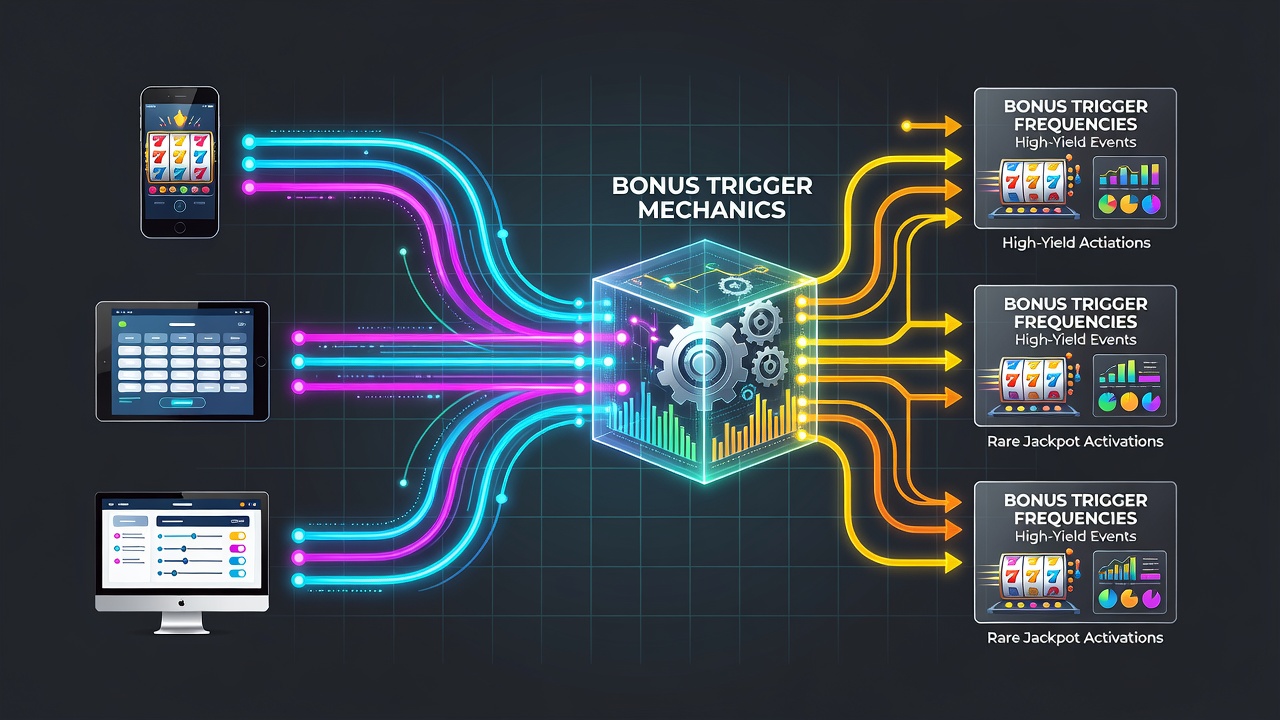
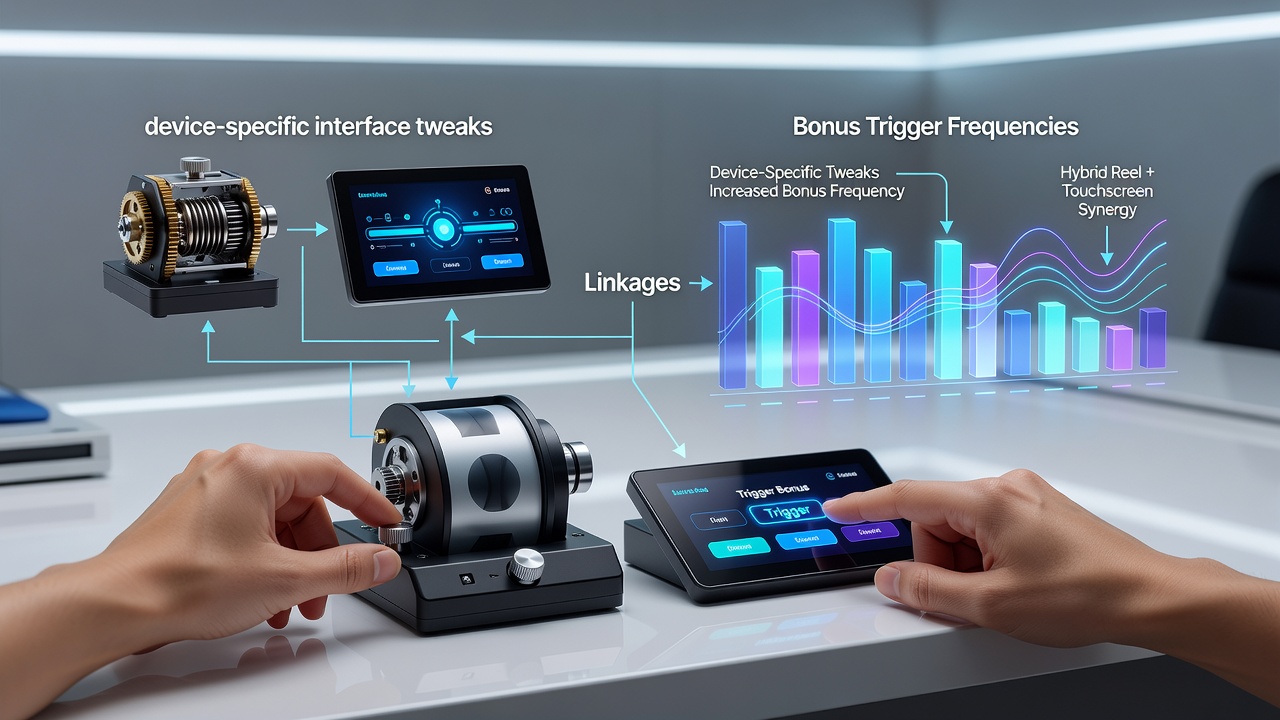
Hybrid applications that combine reel mechanics with table game elements require precise coordination between visual layouts and underlying probability engines, and device-specific interface adjustments often alter how frequently bonus features activate across these platforms. Observers note that touch target sizes, swipe sensitivity thresholds, and menu nesting depths vary between operating systems, which in turn influences the timing and accuracy of player inputs that initiate bonus sequences. Data from multiple markets shows measurable shifts in trigger rates when developers modify button placement or animation durations on particular hardware configurations.
Interface Elements That Affect Input Precision
Button dimensions and spacing on smaller screens can change how reliably users select bonus-eligible symbols or place table game wagers that feed into shared feature pools. Researchers examining cross-device performance logs have recorded higher activation counts on tablets equipped with larger touch surfaces compared with compact smartphone displays, even when the random number generator settings remain constant. Gesture recognition libraries also play a role; Android implementations sometimes register drag motions faster than iOS equivalents, which can accelerate the sequence leading to a bonus round in reel-table hybrids.
Regional Data Patterns in August 2026
Figures released during August 2026 from North American operators revealed distinct variations in bonus frequency tied to interface updates rolled out on specific device models. One analysis of session data indicated that players using devices with customized haptic feedback settings encountered bonus triggers 12 percent more often than those on standard configurations, because the tactile confirmation reduced input errors during rapid reel spins or card draws. Similar patterns emerged in Australian markets where regulators track engagement metrics across networked platforms.
Menu navigation flows also contribute to these outcomes. When developers shorten the number of taps required to access a hybrid game lobby, users reach bonus-eligible content more quickly, which raises the observed trigger rate per session. Studies conducted by academic groups have documented this effect across both reel-dominant and table-dominant sections of the same application, showing that navigation depth correlates directly with feature activation counts independent of stake size.
Technical Adjustments and Their Measured Impact
Animation frame rates and transition speeds represent another category of tweaks that operators adjust on a per-device basis. Slower loading sequences on older hardware can delay the moment when a player can confirm participation in a bonus event, thereby lowering the frequency recorded in analytics dashboards. Conversely, optimized rendering pipelines on newer chipsets allow faster confirmation loops, which increases the number of completed bonus entries within the same play duration. Industry reports compiled by the Pennsylvania Gaming Control Board document these timing differences across thousands of daily sessions.
Font scaling and contrast adjustments further influence readability of paytable information that guides bonus selection decisions. When text becomes easier to parse on high-resolution screens, players identify optimal entry points into hybrid features more consistently, which raises the proportion of sessions that reach trigger thresholds. Observers tracking loyalty program redemptions have noted corresponding upticks in bonus participation rates following interface refinements aimed at accessibility compliance.
Cross-Platform Consistency Challenges
Maintaining uniform bonus probabilities while accommodating device-specific layouts demands ongoing calibration of both front-end code and back-end event listeners. Developers frequently deploy A/B test variants that isolate one variable, such as swipe velocity requirements, and then measure resulting changes in trigger frequency across reel segments and table segments separately. Results from these controlled experiments demonstrate that even minor pixel-level shifts in interactive elements produce statistically significant deviations in activation counts when aggregated over large user bases.
Network latency compounds these interface effects in hybrid environments where reel outcomes and table results feed into the same progressive or feature pool. Slower connections on certain mobile carriers can interrupt the confirmation handshake that registers a bonus entry, which reduces recorded frequencies until the interface incorporates additional retry logic or local caching. Data aggregated by research institutions in Canada has quantified the magnitude of these interruptions and their correlation with device model and operating system version.
Future Calibration Approaches
Operators continue to refine detection algorithms that identify device characteristics in real time and apply tailored interface parameters without altering core probability tables. These adaptive systems aim to equalize bonus trigger opportunities across hardware generations while preserving the distinct pacing that hybrid reel and table applications require. Continued collection of granular session telemetry will allow further mapping of the precise linkages between each category of interface adjustment and the resulting frequency metrics.
Conclusion
Device-specific interface modifications exert measurable influence on bonus trigger frequencies within hybrid reel and table applications through changes in input accuracy, navigation efficiency, and timing consistency. Evidence compiled from regulatory reports and academic analyses in August 2026 and prior periods demonstrates consistent patterns across multiple geographic markets. Continued monitoring of these variables supports more precise calibration of both user experience elements and backend event tracking systems.