How Random Number Generator Patterns Influence Bonus Allocation in Cross-Border Mobile Gaming Networks
Tina Patterson · May 29, 2026
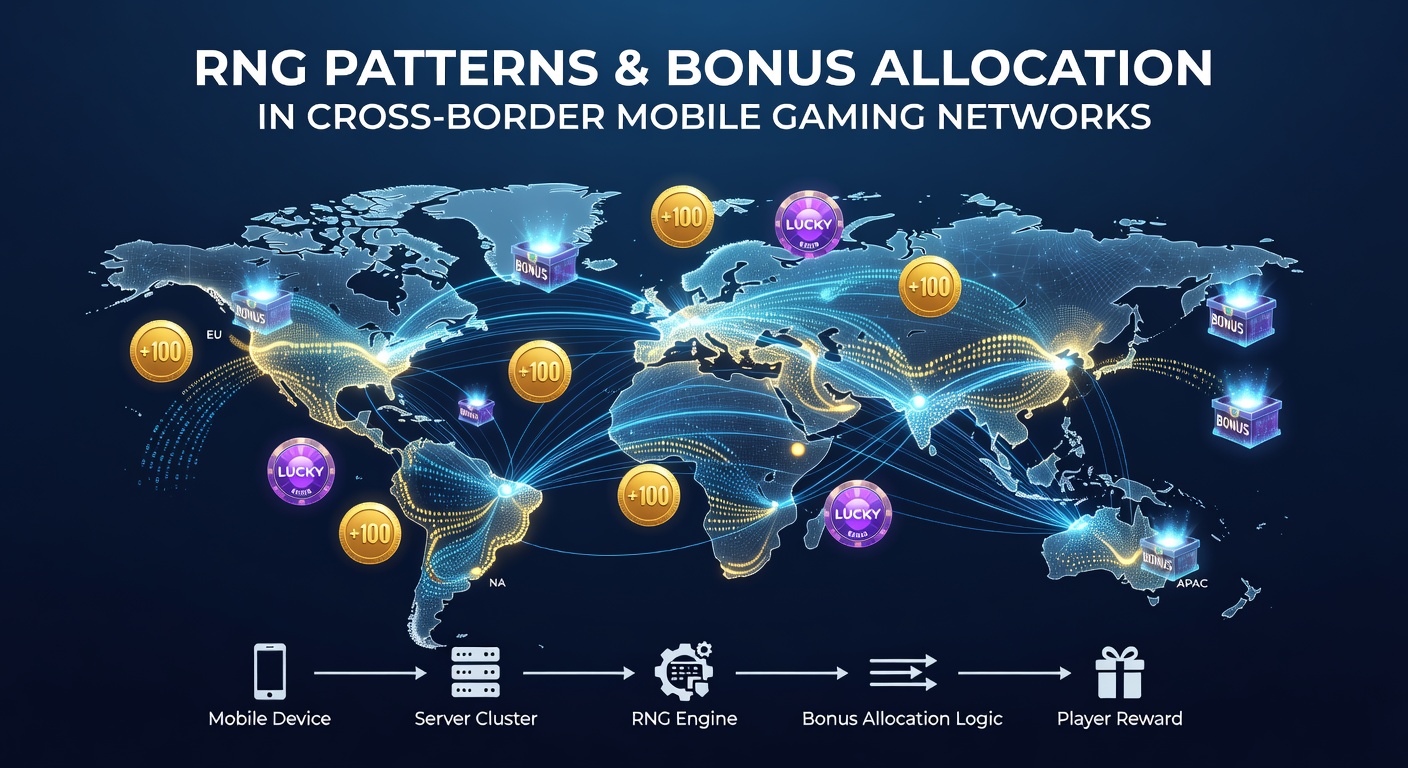
How Random Number Generator Patterns Influence Bonus Allocation in Cross-Border Mobile Gaming Networks
Random number generators form the backbone of outcome determination in mobile gaming platforms, and their underlying patterns directly shape how bonus features get distributed within networks that span multiple countries. These systems rely on algorithmic sequences rather than true randomness, which means recurring structures in the number streams can cluster bonus triggers in ways that affect allocation fairness across borders. Operators manage these patterns through centralized servers while complying with varying national rules on game integrity and player rewards.
Core Mechanics of RNG Sequences in Mobile Environments
Pseudo-random number generators use mathematical formulas seeded by factors like system time or player input to produce number streams, and analysts have documented how short repeating cycles in lower-bit implementations create detectable patterns. Mobile networks transmit these sequences from regional data centers, where latency differences and local hardware variations alter the effective output. Research from the University of Nevada's gaming technology lab has shown that seed synchronization across servers can lead to correlated bonus activation rates when players access the same game title from different jurisdictions.
Bonus allocation depends on hit frequencies embedded in the RNG cycle, so patterns that favor certain number ranges increase the likelihood of free spin or multiplier rewards appearing in quick succession for users in one region while delaying them elsewhere. Cross-border platforms adjust virtual bonus pools based on aggregated player data, yet the raw RNG output remains the deciding factor in individual session results. Observers note that operators often recalibrate seeds daily to disrupt exploitable sequences, though complete elimination of periodicity proves challenging in high-volume mobile traffic.
Cross-Border Data Flow and Pattern Propagation
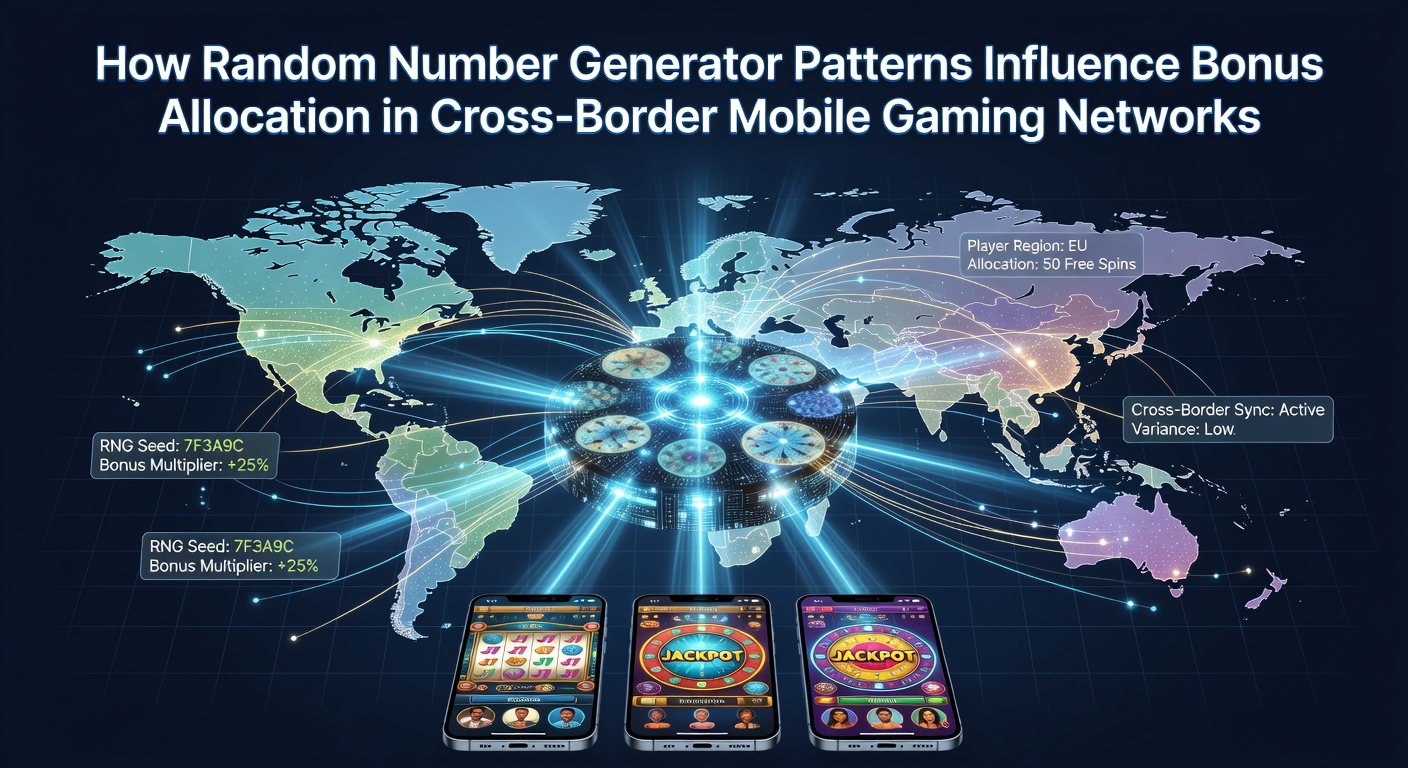
When gaming networks operate across borders, RNG outputs travel through international gateways that introduce additional variables such as packet routing and server load balancing. These elements can amplify existing algorithmic biases, causing bonus events to cluster during peak hours in specific time zones. Figures from the Canadian Radio-television and Telecommunications Commission reveal that data packets carrying RNG states between North American and European endpoints sometimes arrive with timing offsets that shift the effective random sequence by several positions.
Allocation systems then draw from shared prize pools where contribution percentages come from each jurisdiction's player base, yet the RNG pattern determines which accounts receive the actual awards. In May 2026, regulatory updates in several Asian markets required operators to log seed values for audits, exposing how certain patterns had previously skewed bonus distribution toward accounts with higher session volumes regardless of geographic origin. This logging practice has allowed technicians to map correlations between RNG cycles and regional reward rates more precisely than before.
Impact on Bonus Pool Distribution Models
Network operators segment bonus pools according to regulatory requirements in each country while the underlying RNG governs individual trigger probabilities. Patterns that produce runs of high-value numbers increase the chance of jackpot-style bonuses landing in one segment before others, forcing rebalancing of contribution rates from remaining regions. Data indicates that mobile games with shorter RNG periods experience more pronounced imbalances, particularly when player bases differ significantly in size between connected markets.
Technicians monitor variance reports to detect when a pattern has begun favoring particular bonus types, then apply corrective multipliers to the allocation algorithm without altering the core generator itself. Such adjustments maintain compliance but can create secondary effects where players in lower-volume regions see reduced access to certain features until the pattern cycles through its full length. Industry reports highlight that these interventions occur most frequently in titles with progressive elements shared across borders.
Regulatory Responses and Technical Standards
Authorities in multiple regions have introduced testing protocols that examine RNG output for statistical deviations over extended periods rather than isolated sessions. The Australian Communications and Media Authority requires periodic certification of generator algorithms used in cross-border services, focusing on cycle length and distribution uniformity. Similar frameworks in the European Union emphasize transparency in how patterns influence reward allocation when player funds originate from different member states.
These standards push developers toward longer-period generators and external entropy sources to reduce pattern predictability, though implementation costs vary by network scale. Compliance teams now track how seed changes propagate through distributed systems, ensuring that bonus allocation remains consistent even when regulatory thresholds differ between jurisdictions. What's significant is the growing emphasis on real-time monitoring tools that flag emerging patterns before they materially affect pool distributions.
Conclusion
RNG patterns continue to exert measurable influence over bonus allocation in cross-border mobile gaming through their effects on trigger frequencies and sequence clustering. Operators respond with technical adjustments and regulatory compliance measures that address both algorithmic properties and jurisdictional requirements. As networks expand and data flows increase, the relationship between generator design and reward distribution will remain a central focus for technical teams and oversight bodies alike. Continued refinement of testing methods and seed management practices supports more stable allocation outcomes across regions.