How Player Location Data Shapes Progressive Prize Pool Distributions Across Interconnected Digital Gaming Platforms
Finley Schulz · Jul 10, 2026
How Player Location Data Shapes Progressive Prize Pool Distributions Across Interconnected Digital Gaming Platforms
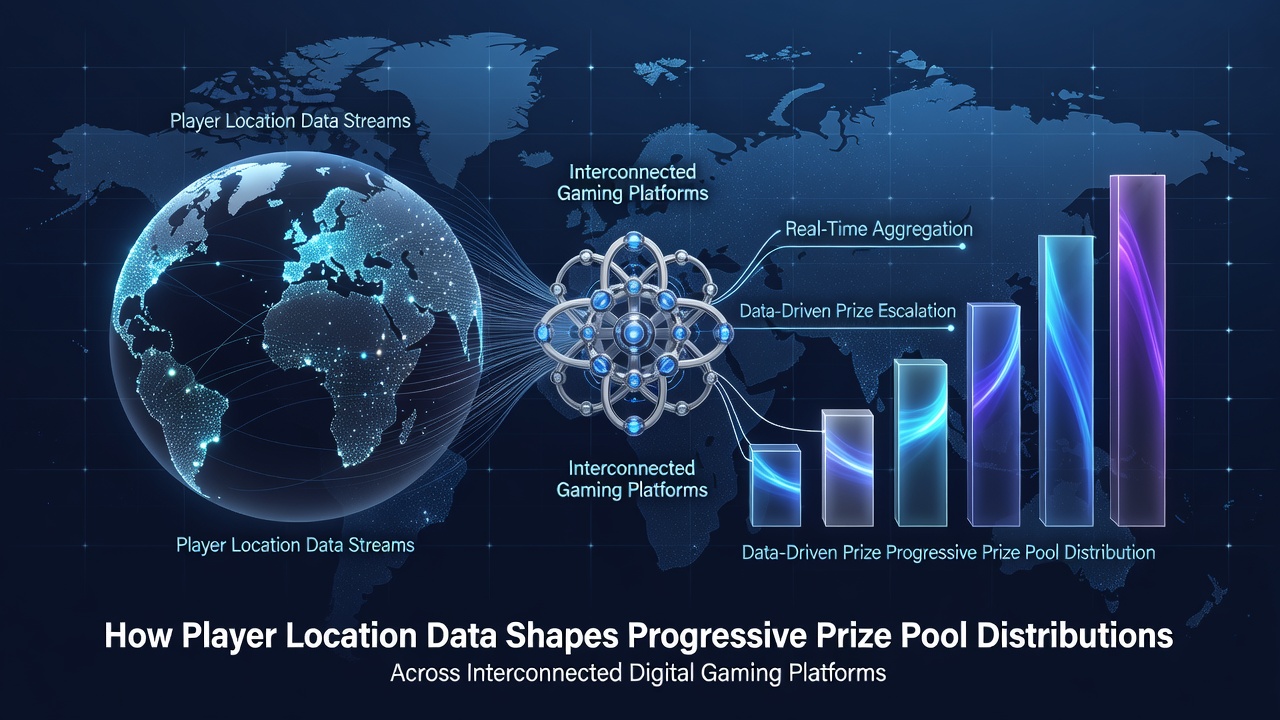
Player location data determines how progressive prize pools accumulate and distribute in systems where platforms connect across multiple jurisdictions, and operators rely on geolocation verification to segment contributions according to local regulations. When a player logs in from a specific region, the system records coordinates and routes that activity into designated pool segments, which prevents cross-border violations while allowing shared growth within compliant boundaries.
Geolocation Protocols in Networked Systems
Operators integrate GPS, IP mapping, and device fingerprinting to establish precise player positions before any contribution reaches the progressive meter, and these protocols activate at login to classify each wager under the appropriate regulatory category. Data from these checks flows directly into backend algorithms that allocate percentages of each bet to regional or multi-state pools, depending on whether the jurisdiction permits interconnection.
Studies from the University of Nevada Reno's gaming research division have tracked how such segmentation affects pool velocity, revealing that contributions from high-density urban areas often accelerate growth in state-specific jackpots while rural logins route into smaller localized funds. This process maintains legal separation yet permits operators to link platforms for larger potential payouts when all participating regions share compatible rules.
Allocation Mechanics Across Jurisdictions
Once location data classifies a session, the platform applies jurisdiction-specific formulas to decide the contribution rate and the eligible prize tiers, and these formulas adjust dynamically when players cross virtual boundaries or switch networks. In July 2026, several North American networks updated their distribution engines to incorporate real-time latency adjustments alongside location signals, which refined how rapidly meters reflected new contributions from mobile users.
According to figures released by the Nevada Gaming Control Board, interconnected progressive systems in the western United States showed measurable differences in payout frequency based on the proportion of in-state versus multi-state player traffic during the first half of 2026. Similar patterns appear in Canadian provincial networks where location tagging separates contributions into Ontario-specific versus interprovincial pools, ensuring compliance with each gaming authority's distinct tax and distribution requirements.
Technical Infrastructure Supporting Location-Based Pooling
Cloud-based ledgers and distributed databases record every verified location stamp alongside wager amounts, creating an auditable trail that regulators can query during compliance reviews. These systems use encrypted tokens to transmit location data without exposing personal identifiers, and they trigger automatic reallocation when a player moves from one approved zone to another mid-session.
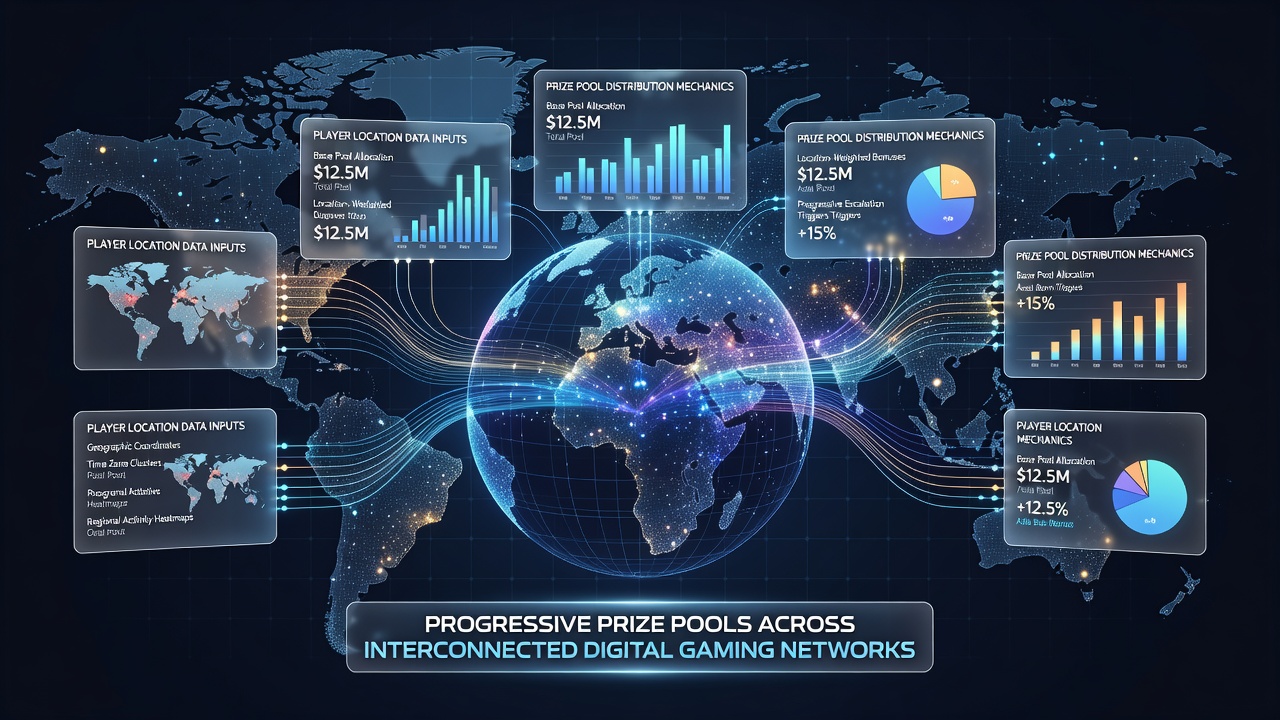
Engineers at major platform providers have documented how edge computing nodes near major population centers reduce verification delays, allowing location data to update pool allocations within milliseconds rather than seconds. This speed matters because delayed classification can shift a contribution into an incorrect pool segment, which then requires manual reconciliation during monthly audits.
Observed Effects on Pool Growth and Payout Patterns
Research published by the Canadian Gaming Association in early 2026 examined twelve interconnected platforms and found that regions with stricter geolocation tolerances experienced slower pool accumulation but higher per-player payout ratios once a jackpot triggered. Conversely, areas with looser verification windows contributed larger volumes yet distributed winnings across wider geographic claimant groups.
Those patterns hold in European networks as well, where the Malta Gaming Authority's technical standards require location confirmation for any cross-border progressive link, resulting in distinct growth curves for pools that accept traffic only from EU member states versus those open to broader international play under separate licensing.
Regulatory Oversight and Compliance Adjustments
Regulators in multiple jurisdictions now require monthly location-data summaries that detail the percentage of contributions originating from each approved territory, and these reports help authorities verify that prize pools have not inadvertently mixed funds across incompatible legal frameworks. When discrepancies surface, operators must adjust their allocation rules before the next reporting cycle, which can temporarily slow pool growth until corrections take effect.
Platform providers have responded by embedding automated compliance flags that halt contributions from any session whose location data falls outside permitted parameters, preventing downstream distribution errors. This approach has become standard in networks operating across state lines in the United States and across provincial borders in Canada.
Conclusion
Location data functions as the primary gatekeeper for progressive prize pool integrity in interconnected environments, directing each contribution into the correct regulatory bucket while enabling shared growth where laws permit. As networks expand and verification technologies improve, the precision of these allocations continues to shape both the speed of jackpot growth and the geographic distribution of eventual payouts.